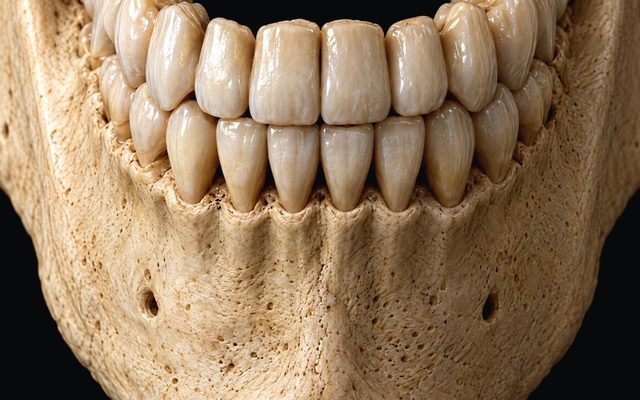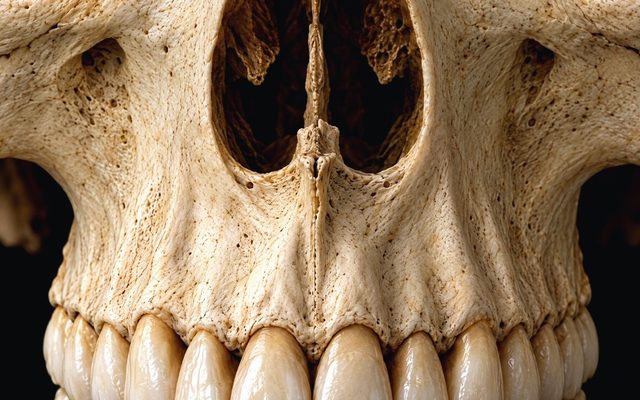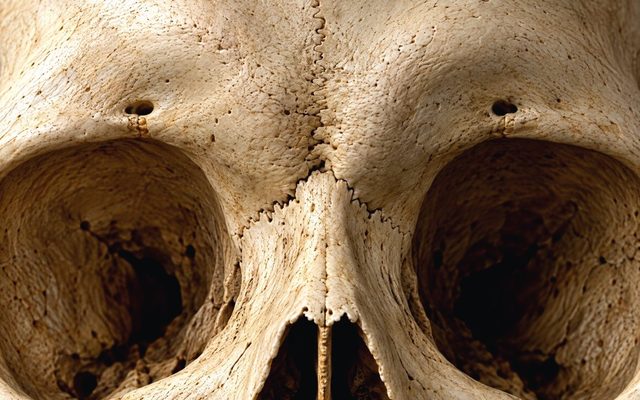
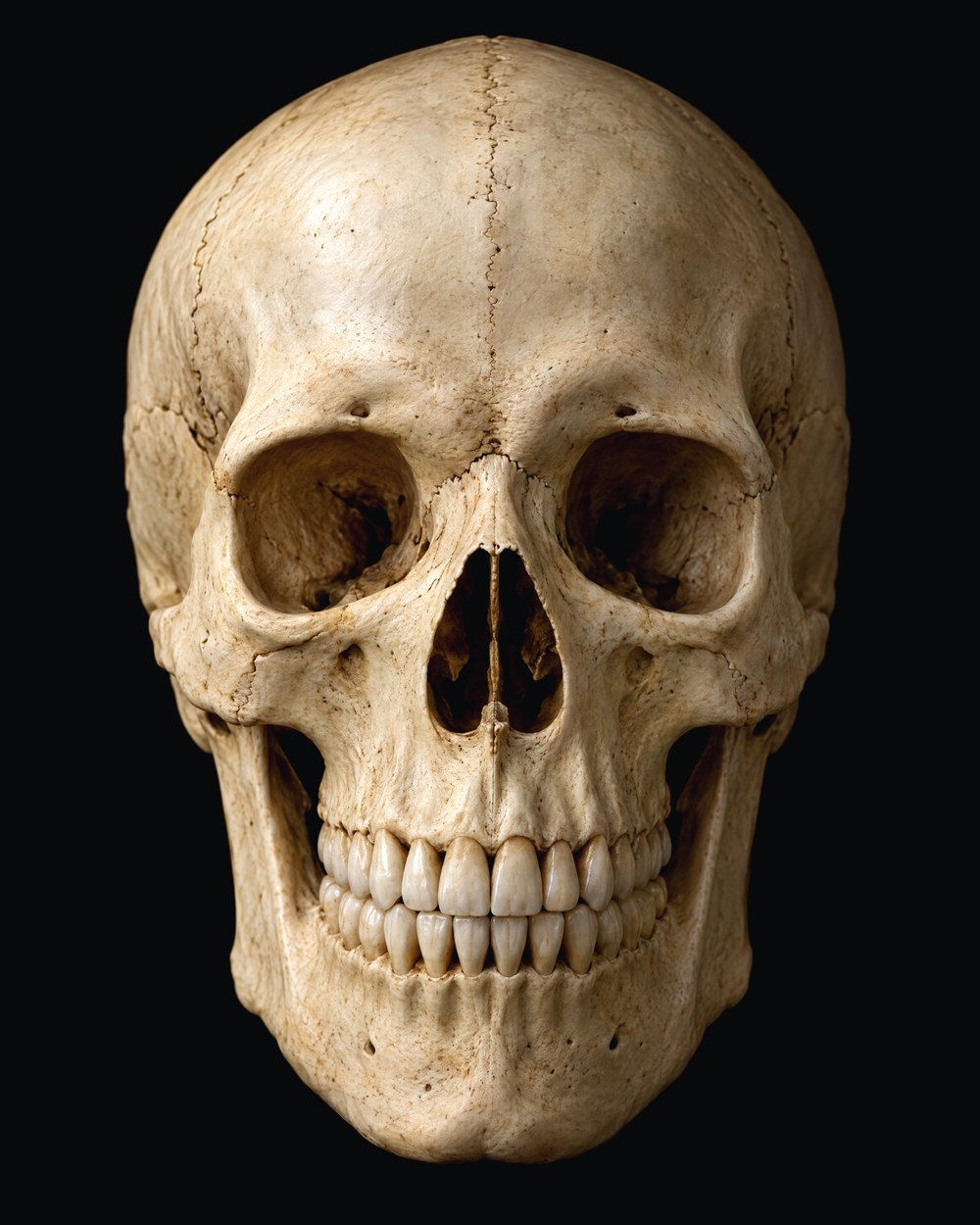
The zygoma is your cheekbone. It gives the midface its width. It also forms part of the eye socket. So a break here can change how the face looks and how it works.
The signs
- A flat or pushed-in cheek. This can be clear at once, or only after the swelling goes down.
- A numb feeling in the cheek, the side of the nose, the upper lip, or the teeth.
- Double vision, or a change in the level of the eye. This happens because the cheekbone supports the eye.
- Difficulty when you open your mouth, if the bone presses on the jaw muscle.
How surgeons treat it
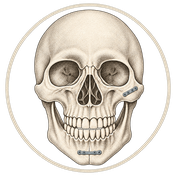
Some breaks stay in position, and they heal on their own. If the bone has moved, the surgeon lifts it back into position. If it is not stable, small plates and screws hold it. The cuts are hidden. The cheekbone shares a wall with the eye socket, so the surgeon always checks the eye socket too.
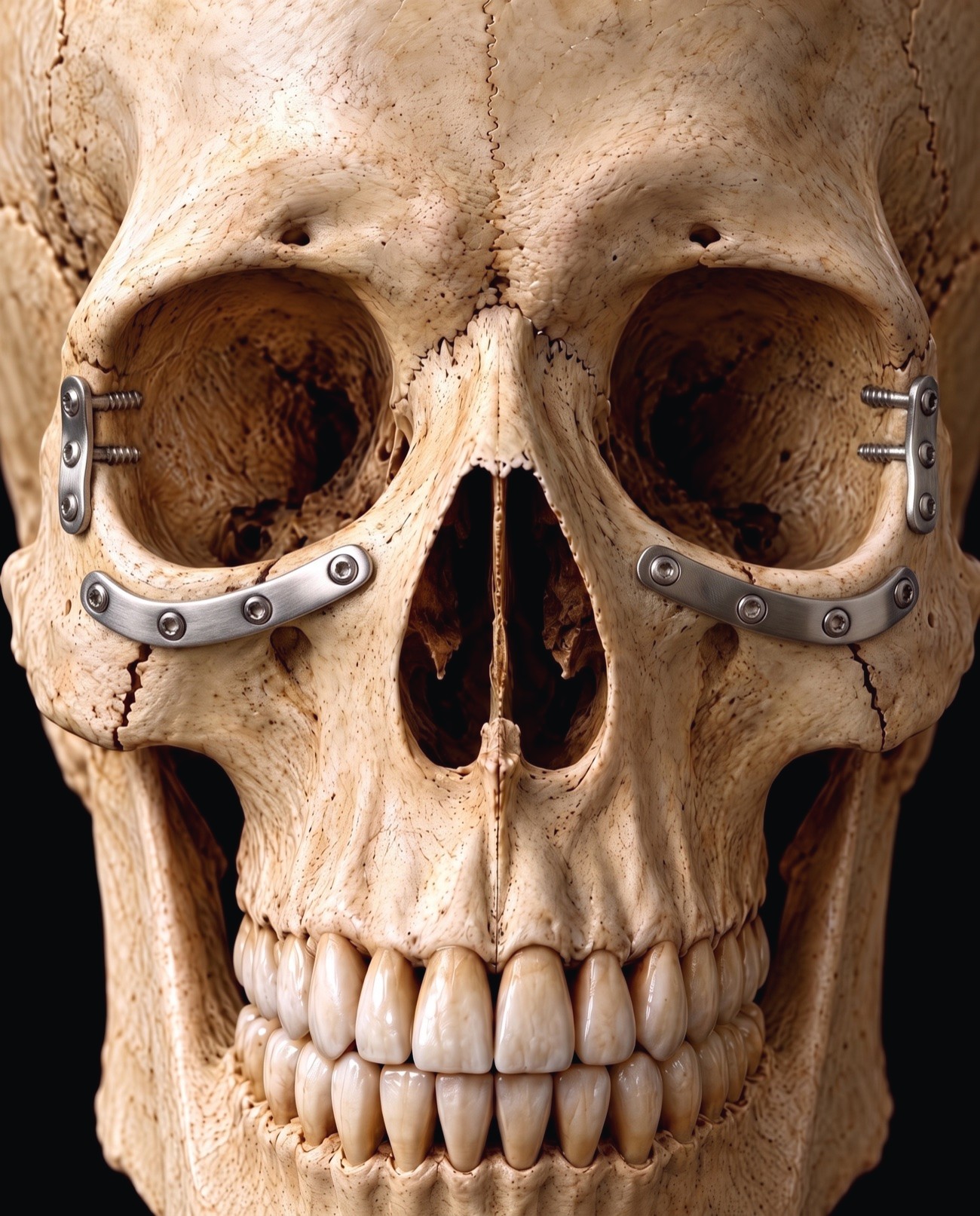
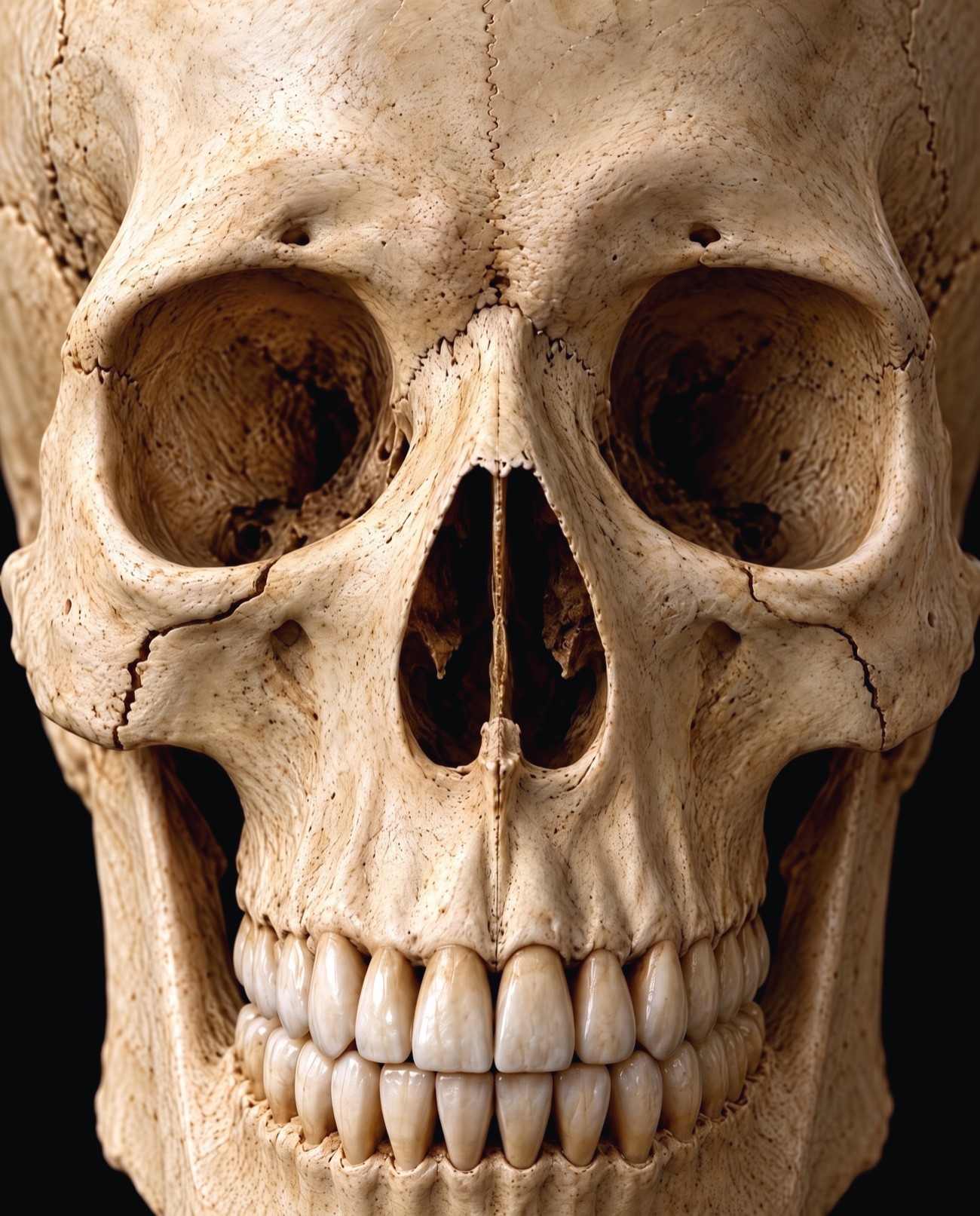 FracturedRepaired with plate