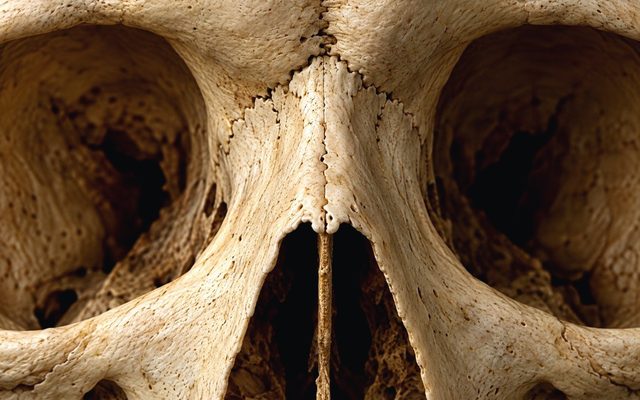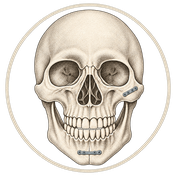
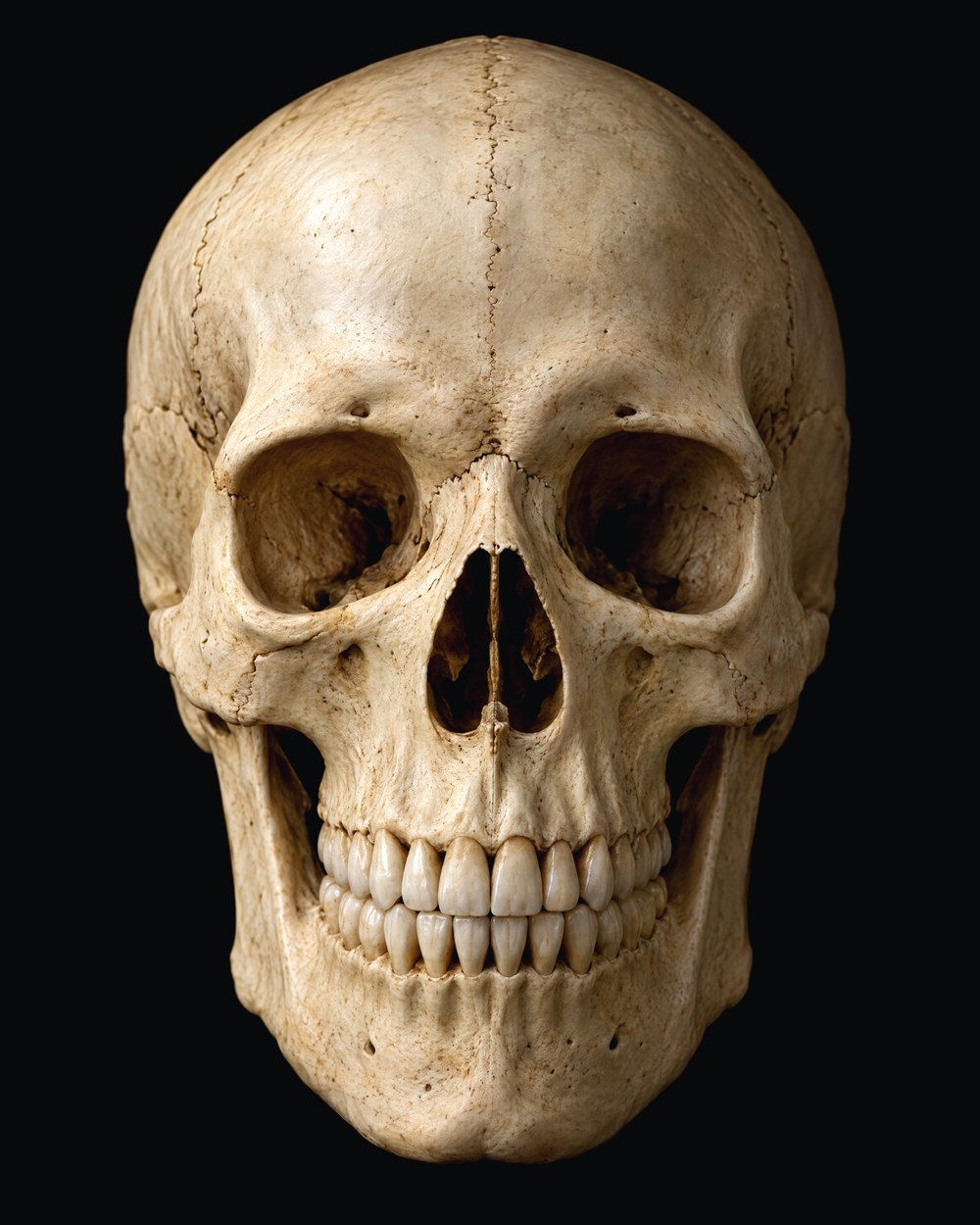
Facial trauma is an injury to the face. It can damage the bones that give the face its shape. It can damage the sockets that hold the eyes. It can also damage the jaws that let you bite and speak. The injury can be small, like one clean break. It can also be large, with several breaks at the same time.
MaxillofacialAbout the face and the jaws. A maxillofacial surgeon treats the bones and soft tissue of the face, mouth, and jaws. surgeons repair these injuries. They have three goals. First, they give the face its correct shape again. Second, they make the face work again. This includes your bite, your vision, and your breathing. Third, they keep you safe while the bones heal.
If the injury is new, this page is background reading. It is not first aid. A serious facial injury needs urgent medical care. Call your local emergency number.
How surgeons look at the face
Surgeons divide the face into three parts, from top to bottom.
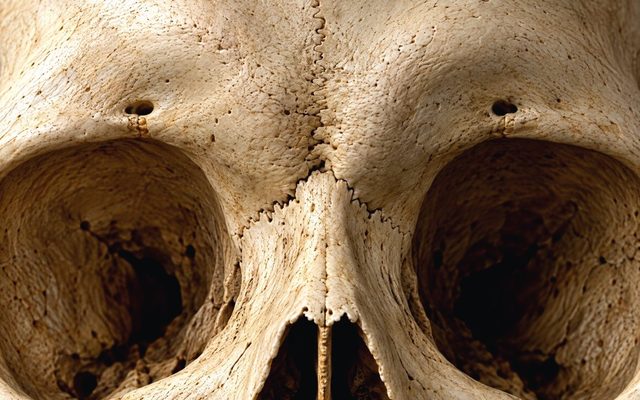
- Upper face: the forehead and the frontal sinusAn air space inside the bones of the face or the forehead..
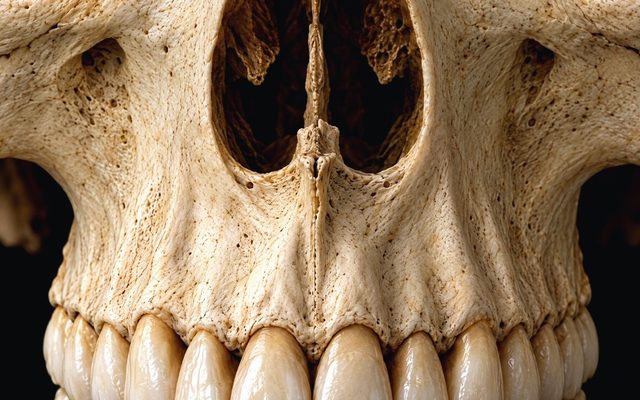
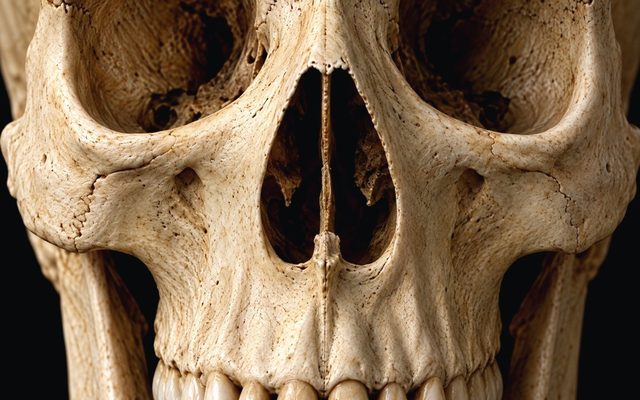
- Midface: the cheekbones, the eye sockets, the nose, and the upper jaw. This is the most complex part.
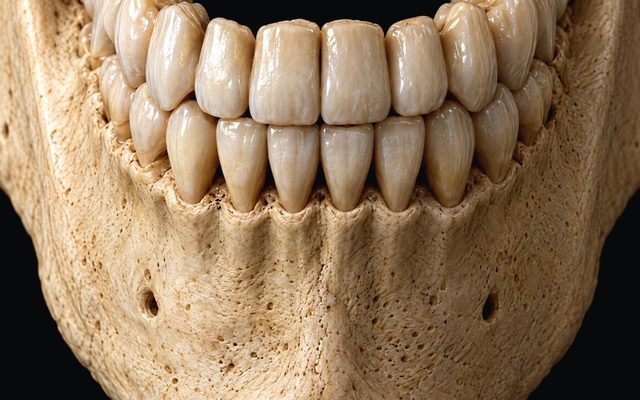
- Lower face: the lower jaw. This is the only part that moves.
An injury can affect one part. In a bad accident, it can affect all three parts at the same time. Doctors call this panfacial trauma.
The main types of injury
Each type has its own page with more detail:
- Mandible (lower jaw) fractures. This is the facial bone that breaks most often.
- Midface and maxilla fractures (Le Fort I, II, III). These breaks separate the upper jaw and midface from the rest of the skull in set patterns.
- Zygomatic complex (cheekbone) fractures. Breaks of the cheekbone. They can make the cheek look flat or pushed in.
- Orbital and naso-orbito-ethmoid (NOE) fractures. Breaks around the eye socket and the top of the nose.
- Nasal and frontal sinus fractures. Breaks of the nose and the forehead sinus.
- Dentoalveolar injuries. Injuries to the teeth and the bone that holds them.
- Soft-tissue facial lacerations. Cuts and wounds in the skin and tissue.
- Panfacial trauma. Breaks in several areas of the face at the same time.
How surgeons repair the face
Surgeons often fix a facial fractureA break or a crack in a bone. with small titaniumA strong, light metal. Surgeons use it for the plates and screws that hold bone. plates and screws. The plates hold the bone in the correct position while it heals. They do the same job as a cast on a broken arm, but they are inside the body. The metal usually stays in for life. Surgeons often make the cuts inside the mouth or in natural skin lines. This keeps the scars hidden. Some small fractures do not need surgery. They heal with time and care.